
PP battery case
2025-06-02
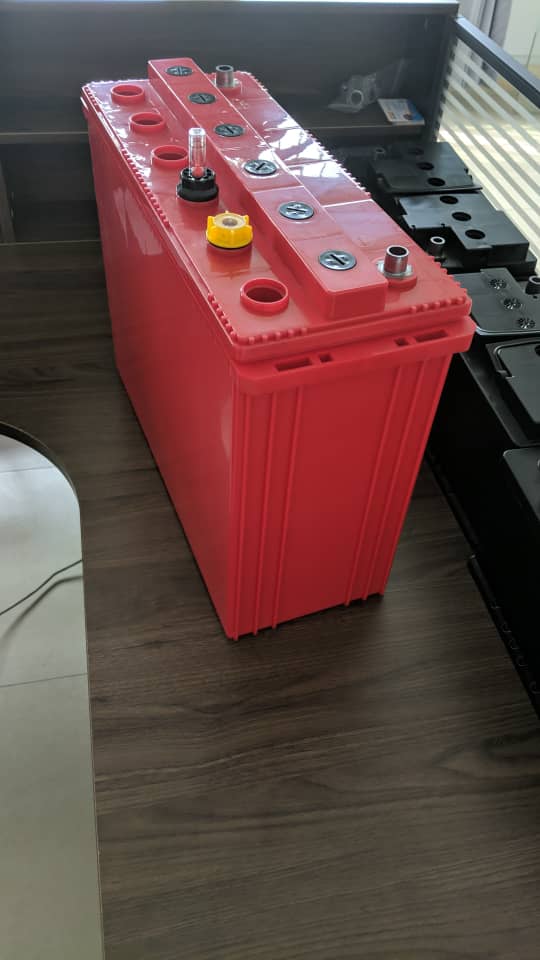
Lead-acid battery cases play a crucial role in safeguarding the internal components and ensuring the reliable operation of these widely used energy storage devices. When it comes to materials, they are typically made from high-quality engineering plastics such as polypropylene (PP) or acrylonitrile butadiene styrene (ABS). Polypropylene is favored for its excellent chemical resistance, capable of withstanding the corrosive effects of the sulfuric acid electrolyte inside the battery, while ABS offers a balance of strength, impact resistance, and heat stability, making it suitable for various environmental conditions.
In terms of 用途 (uses), the primary function of lead-acid battery cases is to provide a robust and hermetic enclosure. They not only contain the lead plates and electrolyte but also prevent leakage, ensuring safety and preventing damage to surrounding equipment or the environment. These cases are designed to withstand mechanical stresses during transportation and installation, and their structural integrity helps maintain the battery's internal pressure balance. Additionally, some cases are engineered with flame-retardant properties to enhance safety in applications where fire risks may exist.
Regarding 质量 (quality), high-standard lead-acid battery cases undergo strict quality control. They must meet specific industry standards for chemical resistance, impact resistance, and dimensional stability. A reliable case should show no signs of cracking, deformation, or leakage even after prolonged use or exposure to extreme temperatures. The quality of the material and the precision of the manufacturing process, such as injection molding, directly affect the case's durability and performance. A superior lead-acid battery case not only extends the battery's service life but also contributes to the overall safety and efficiency of the energy storage system.