
Industrial battery valve
2025-06-09
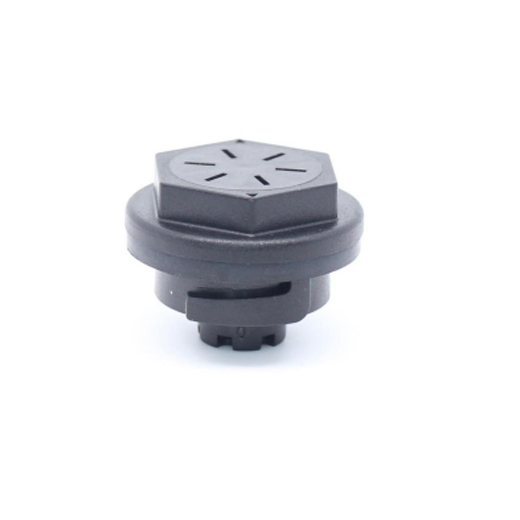
Industrial Battery Safety Valves (Plastic Type)
Definition and Function
Industrial battery safety valves, particularly those made of plastic, are critical components designed to maintain the safety and operational efficiency of rechargeable batteries (e.g., lead-acid, nickel-cadmium, or lithium-ion batteries) in industrial applications. Their primary functions include:
- Pressure Regulation: Releasing excessive internal pressure generated during charging or operation to prevent battery swelling or explosion.
- Gas Venting: Allowing the escape of combustible gases (e.g., hydrogen from lead-acid batteries) while minimizing electrolyte loss.
- Sealing Protection: Preventing external contaminants (moisture, dust) from entering the battery, thus maintaining electrolyte purity and battery lifespan.
Key Features of Plastic Safety Valves
-
Material Properties
- Made from high-performance plastics like polypropylene (PP), polyethylene (PE), or polyvinyl chloride (PVC), which offer:
- Chemical resistance to electrolytes and gases.
- Thermal stability to withstand operational temperature fluctuations (typically -40°C to 120°C).
- Durability and impact resistance for long-term use.
- Made from high-performance plastics like polypropylene (PP), polyethylene (PE), or polyvinyl chloride (PVC), which offer:
-
Design Types
- Passive Valves: Simple spring-loaded or diaphragm-based designs that open automatically when internal pressure exceeds a threshold (e.g., 10–30 kPa).
- Active Valves: Equipped with sensors or electronic controls for precise pressure monitoring and remote activation, suitable for high-risk industrial setups.
-
Operational Mechanisms
- Pressure Relief: The valve opens when pressure builds up, releasing gases and closing automatically as pressure drops.
- Anti-Reverse Flow: A check valve mechanism prevents external air or liquids from entering the battery.
Applications in Industrial Settings
Plastic safety valves are widely used in:
- Energy Storage Systems (ESS): For grid-scale battery banks in renewable energy projects.
- Transportation: Forklifts, electric vehicles, and marine vessels.
- Telecommunications: Backup power systems for cell towers and data centers.
- Industrial Machinery: Emergency power supplies (UPS) and heavy equipment.
Advantages of Plastic Valves
- Cost-Effectiveness: Lower production costs compared to metal valves, ideal for large-scale manufacturing.
- Lightweight Design: Reduces overall battery weight, beneficial for mobile applications.
- Corrosion Resistance: Plastic materials do not rust or corrode, ensuring reliability in harsh environments.
- Easy Integration: Compatible with automated battery assembly lines due to standardized dimensions.
Standards and Compliance
Plastic safety valves must meet industry standards such as:
- UL 1973 (for energy storage systems).
- IEC 62133 (for rechargeable battery safety).
- ISO 9001 (quality management systems) to ensure consistency and performance.
Maintenance and Replacement
- Regular Inspection: Check for clogging, cracks, or deformation, especially in high-temperature or high-cycle applications.
- Lifespan: Typically replaced every 3–5 years or after 500–1000 charge cycles, depending on usage intensity.
Future Trends
- Smart Valves: Integration with IoT sensors for real-time pressure monitoring and predictive maintenance.
- Eco-Friendly Materials: Development of biodegradable or recyclable plastics to reduce environmental impact.
- Enhanced Safety Features: Fire-retardant plastic coatings to mitigate explosion risks in lithium-ion batteries.
For specific product specifications or customization, consult manufacturers specializing in battery components, ensuring compatibility with your industrial battery type and operational requirements.